Foreign Demand in AI Searches: What 15,000 Real Searches Reveal About Property Buyers in Bulgaria

The first quarter of 2026 marks the beginning of a new stage in the development of Bulgaria’s property market, which is moving from a period of accelerated transactions in 2024–2025 into a phase of normalization, characterized by more mature and rational buyer behavior.
This shift is also visible in an analysis of nearly 15,000 real searches made between January and March 2026 by foreign buyers through Bulgarian Properties’ new AI-powered search engine, which allows users to describe their desired property in their own words.
Sea Resorts Lead Foreign Buyer Searches
The Black Sea coast retains its leading position, accounting for 35% of unique searches, with a particular focus on the southern coastline.
View our properties in beach resorts in Bulgaria
The real news, however, is the consolidation of the second strongest macro-segment: rural properties, which generate an impressive 30% of total interest.
Rural houses around Bulgaria for you to choose
It is important to note that this share does not refer only to remote countryside locations. It also reflects strong demand for a specific lifestyle: “a rural property within a maximum one-hour drive from the sea” or “a house in a village near Bansko.” This points to a clear preference for a hybrid model: the peace and quiet of nature combined with access to developed infrastructure.
The remaining share is split between major cities, with 20%, and mountain and ski resorts, with 15%. Check our our ski property listings
This means that Bulgaria is perceived less as an urban investment market and more as a combination of a holiday destination and a place for an alternative lifestyle.
Foreign buyers are not simply purchasing “property”; they are looking for lifestyle value and added potential. Investors are clearly divided into those seeking high returns through the renovation of affordable rural properties, and those testing the market in major cities, but often stepping back in the face of the new price realities there.
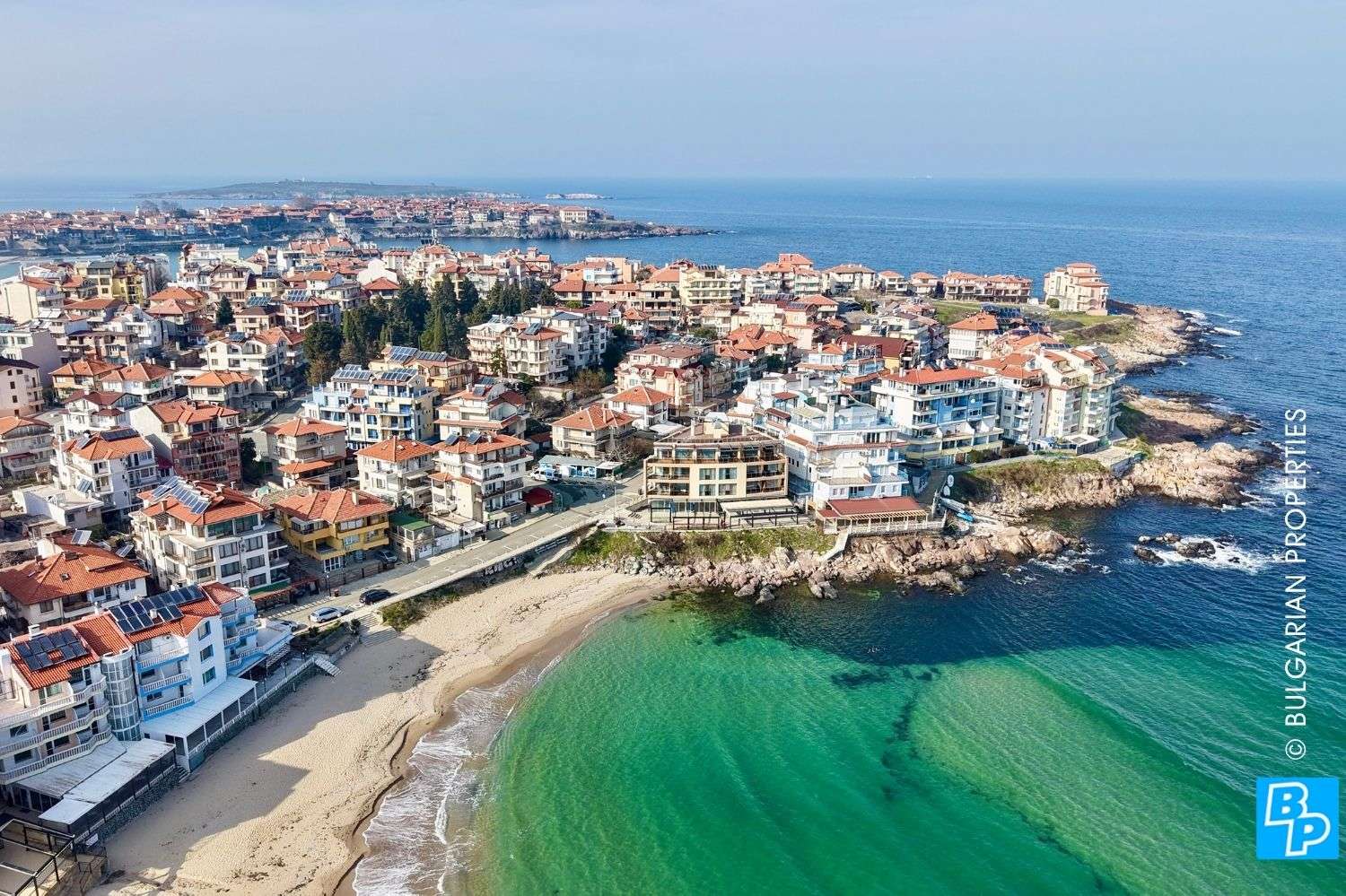
1. The Seaside Holiday Market: Diversification of Interest
The southern Black Sea coast generates the largest volume of enquiries in the database. Sunny Beach remains the absolute leader in the low and mid-price segments. Here, investors are mainly looking for studios and one-bedroom apartments, with budgets ranging from EUR 15,000 to EUR 40,000 for studios and up to EUR 60,000 for one-bedroom properties. These are typical purchases for holiday use and passive income generation during the summer season.
Searches are extremely specific: buyers look for properties “within walking distance of the beach,” “with access to a swimming pool,” and “with no maintenance fee.”
Ravda and Pomorie also attract a similar type of buyer, seeking a quieter family environment, again within budgets of up to EUR 70,000.
By contrast, locations such as Sveti Vlas, Sozopol — especially the Budzhaka area — Nessebar and Lozenets attract capital in the higher price segment. In these areas, foreign buyers demand absolute luxury: “frontline” location, “unobstructed sea view,” several bedrooms, and access to premium infrastructure such as spa centers and private beaches.
Budgets here start from EUR 100,000 for apartments and reach over EUR 300,000–500,000 for detached villas and houses. Complexes such as Garden of Eden, Santa Marina and luxury projects in Sveti Vlas are frequently mentioned by name in the search engine.
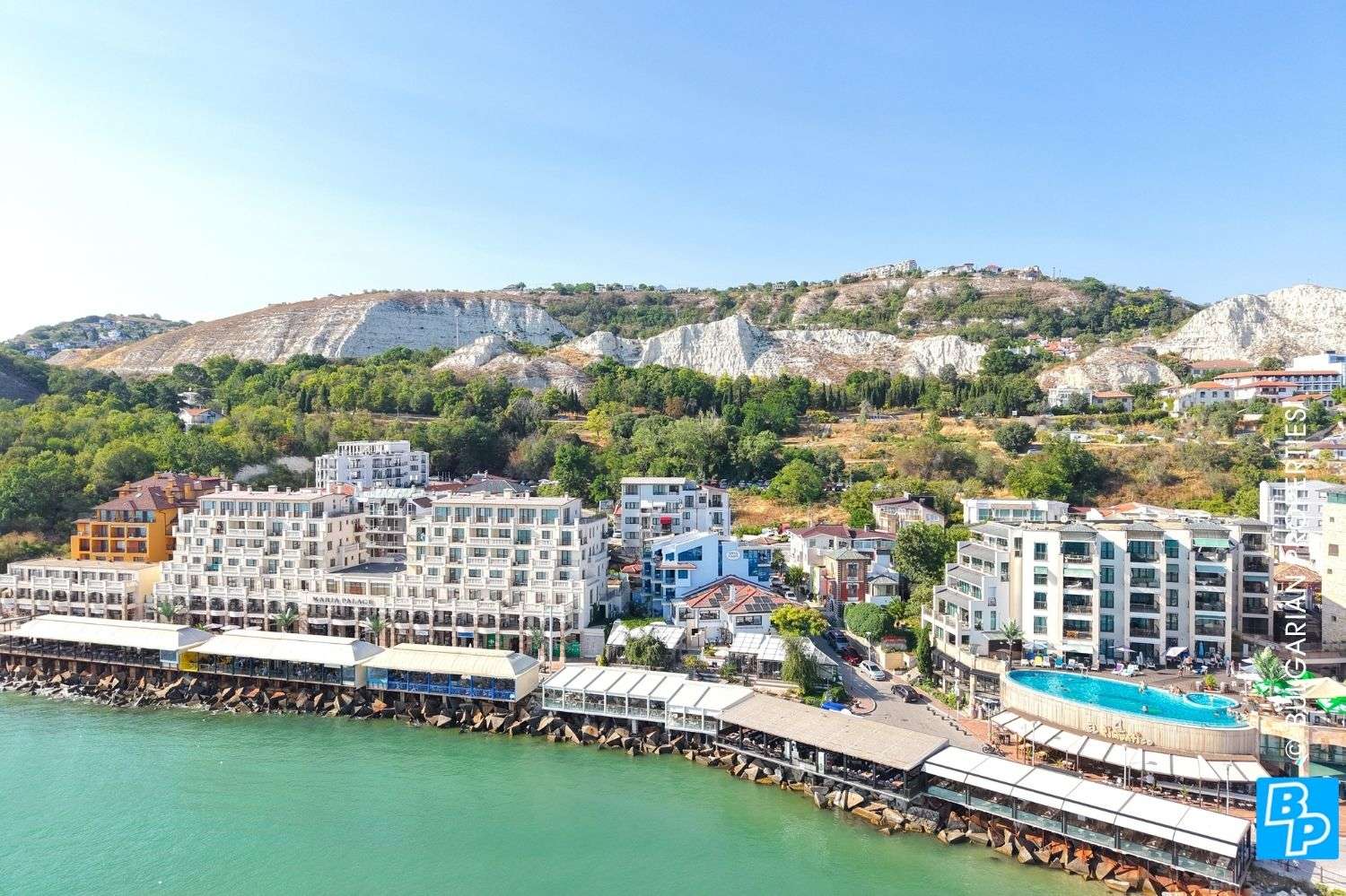
The Northern Black Sea coast is characterized by a more specific demand profile. In addition to Varna and its nearby resorts, the focus is on the areas around Balchik, Kavarna and Byala. This part of the coast is preferred for the purchase of detached houses with gardens and panoramic sea views, with budgets ranging between EUR 80,000 and EUR 150,000 for properties in good condition.
There is also strong interest in the region’s luxury golf complexes, including Thracian Cliffs, Lighthouse Golf Resort and BlackSeaRama. This indicates sustained interest from affluent Western European buyers looking for sports and recreational tourism. Searches for these complexes are accompanied by requirements for premium furnishings and strong investment value.

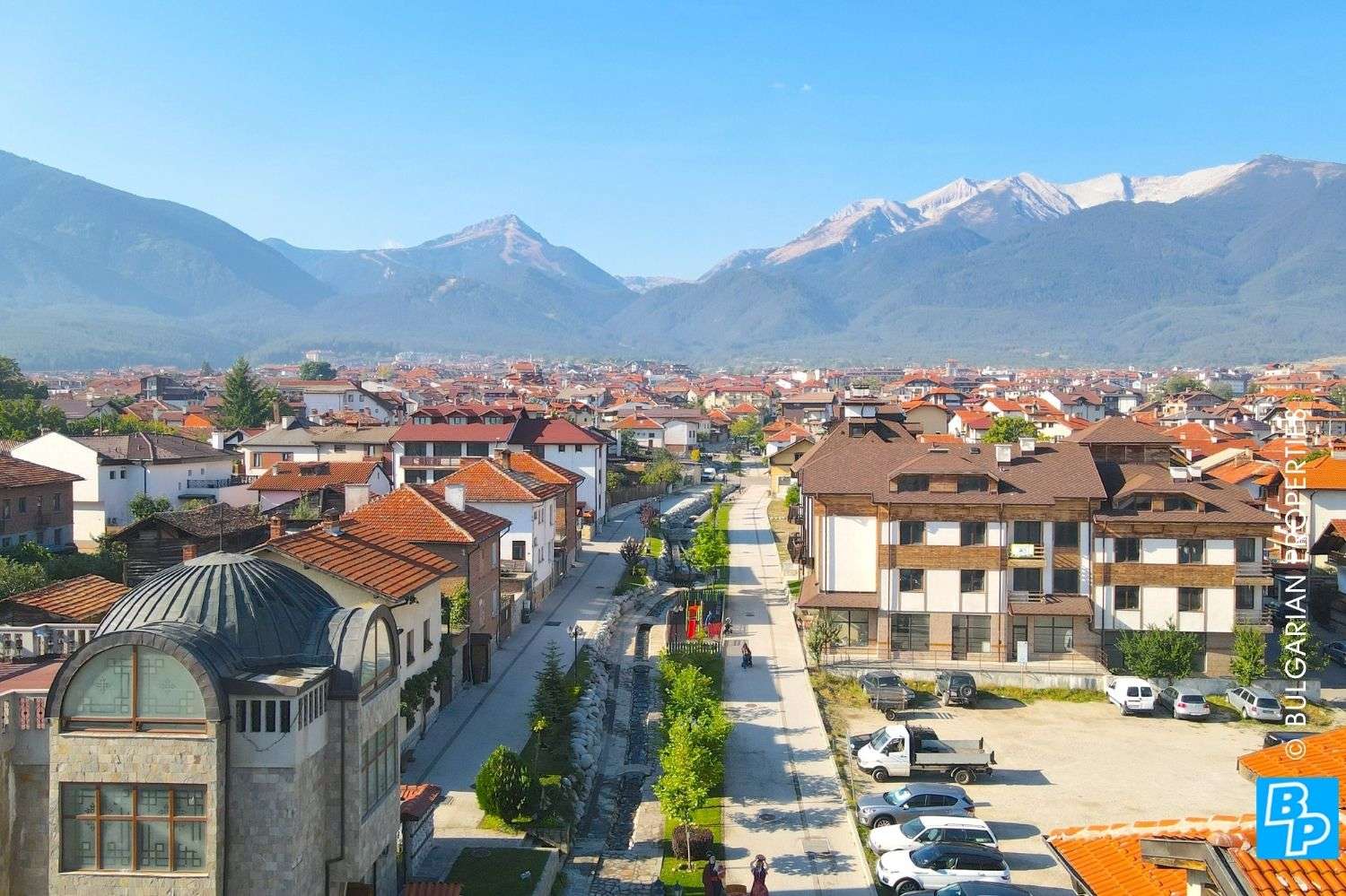
2. Mountain and Ski Resorts: Bansko’s Dominance Continues
Among foreign buyers, Bansko stands out as the absolute leader, generating many times more enquiries than its competitors Borovets and Pamporovo. Interest in Bansko has evolved significantly: it is no longer seen simply as a winter destination, but as a year-round hub for digital nomads and expats.
Demand in Bansko falls into three main categories:
• Budget investments: Searches for affordable studios and small apartments priced between EUR 20,000 and EUR 40,000. Buyers in this category are looking for an easy entry point into the market and the potential for short-term rental income during the winter season.
• Lifestyle migration: A large number of searches for one-bedroom and two-bedroom apartments, as well as small houses, come from people wishing to settle long-term. Their requirements are specific: high-speed internet, preferably fiber optic; terraces with views of the Pirin Mountains; pet-friendly properties; and proximity to coworking spaces. Budgets in this category range between EUR 50,000 and EUR 100,000.
• Premium segment: Searches for luxury chalets and apartments located close to the gondola lift or in exclusive golf complexes such as Pirin Golf & Country Club. In this segment, buyers are willing to invest over EUR 150,000–300,000 for high construction quality, spa facilities and indoor swimming pools.
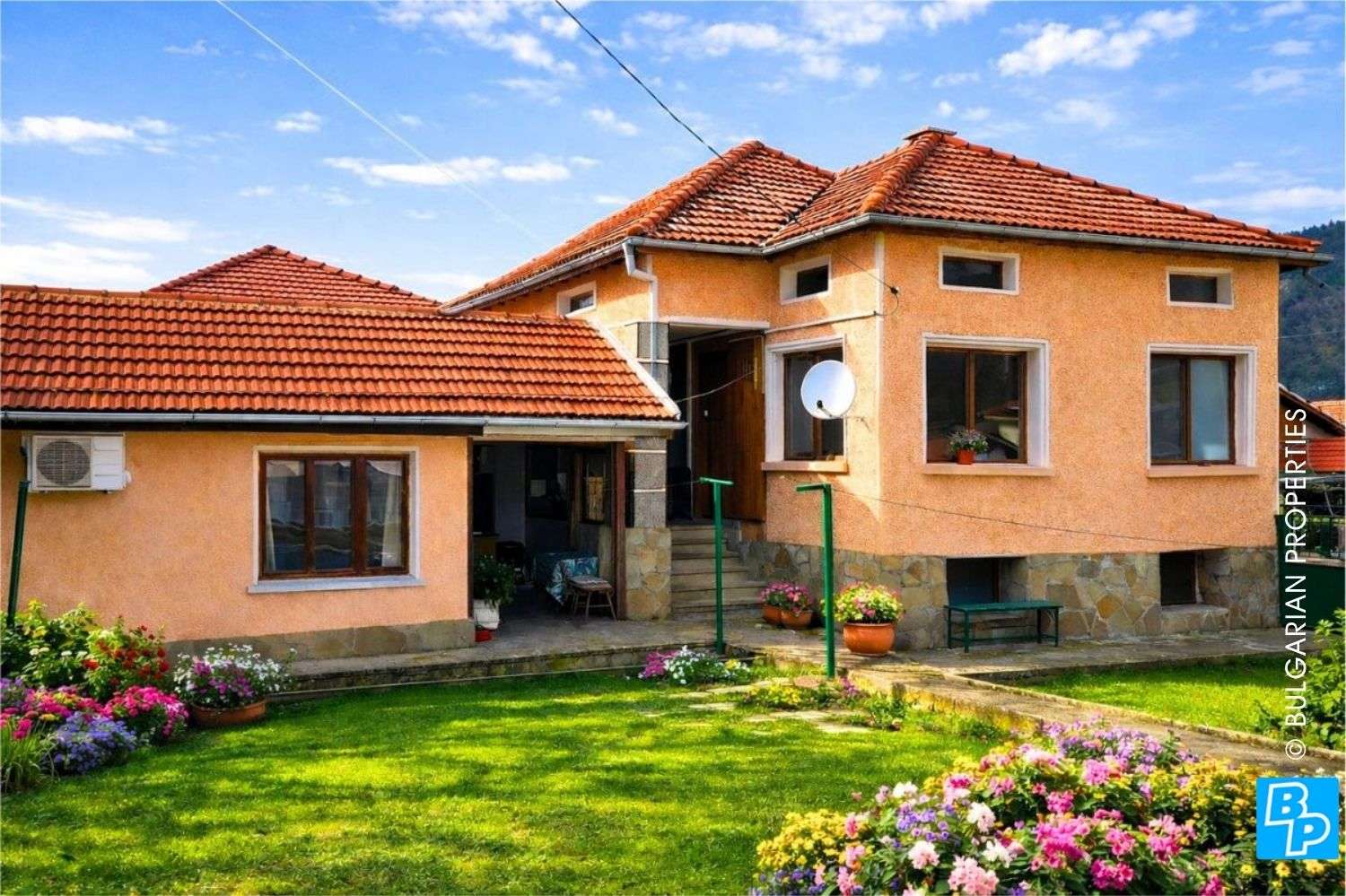
3. The Renaissance of Rural Areas: Off-Grid Living, Homesteading and Rural Tourism
View our rural houses
The most impressive and quantitatively significant trend in the 2026 data is the explosive growth in demand for rural properties outside the traditional investment zones. Foreign buyers are scanning literally the entire territory of the country — from Northwestern Bulgaria, including Vidin, Vratsa and Montana, to small villages near the borders with Turkey and Greece, such as Elhovo, Svilengrad, Kardzhali and Ivaylovgrad, as well as the central regions around Veliko Tarnovo, Gabrovo, Lovech, Stara Zagora and Yambol.
This massive interest is driven by several parallel macro-sociological and economic factors. Against the backdrop of global inflation and rising real estate prices in Western Europe, rural Bulgaria offers unprecedented affordability, surprising as this may seem after years of strong price growth. The AI search engine is full of searches for houses “under EUR 10,000,” “under EUR 15,000” and “up to EUR 30,000.”
These ultra-low budgets are aimed at old, traditional rural houses, often described as “ruins” or “in need of complete renovation.” Buyers understand the risks but are attracted by the opportunity to acquire a piece of land at a minimal price.
The second, deeper reason is the global movement toward self-sufficiency, homesteading and off-grid living. The data contains numerous specific requirements confirming this trend. Foreign buyers are actively searching for properties with substantial adjoining land — requirements for “minimum 2,000 sq.m.,” “1 hectare,” “5 acres,” and even “10 hectares” are routine.
They are looking for plots that allow them to grow their own food — “farmland,” “orchard,” “fruit trees,” “smallholding” — keep animals, with searches mentioning “equestrian,” “horse stables” and “Romanov sheep,” as well as secure independent water supply through an “own well,” “water spring,” or a location “bordering a stream or river.”
The regions of Veliko Tarnovo and Gabrovo, in the Fore-Balkan area, are extremely popular among British and Western European buyers seeking traditional architecture and tranquility in nature. Southeastern Bulgaria, especially Yambol and Elhovo, attracts buyers with its warm climate and proximity to both the Turkish border and the sea, while the Rhodope Mountains, including Smolyan and Kardzhali, are a magnet for those seeking mountain seclusion and panoramic views.
Unlike buyers of urban properties, who insist on Act 16 occupancy permits, buyers of rural properties are willing to deal with administrative and construction-related challenges, provided that the location offers clean nature, no nearby neighbors — “isolated,” “no neighbors,” “in the middle of the woods” — and adequate internet access, which is essential for those who continue to work remotely.
Budget Stratification of the Market: From Ruins to Palaces
The analysis of declared budgets in the search engine shows an exceptionally wide range of financial readiness among foreign investors. The market is clearly stratified into five price categories, each with its own rules, expectations and target assets.
Ultra-Low Budget: Up to EUR 25,000
This segment is reserved almost entirely for remote countryside and rural areas. Searches are dominated by phrases such as “cheapest possible,” “under 5000 euros,” “up to 15000” and “abandoned house.”
Assets: Semi-ruined houses, empty land plots and abandoned farms. Occasionally, there are also searches for extremely small studios in lower-quality holiday complexes along the Black Sea coast or in ski resorts.
Buyer profile: Adventurers, young people looking for their first debt-free property, DIY enthusiasts, and speculative land buyers, or land bankers, who rely on long-term appreciation of agricultural land.
Low-to-Mid Budget: EUR 25,000–70,000
This is the most competitive segment for holiday properties.
Assets: Studios and small apartments in Sunny Beach, Bansko, Pamporovo and smaller seaside resorts. This budget also includes fully renovated rural houses in more remote regions such as Dobrich, Yambol and Stara Zagora, ready for immediate occupation.
Buyer profile: Small-scale investors looking for short-term rental yield and ROI, as well as families from Eastern and Central Europe buying a holiday home for personal use. Their requirements are focused on basic amenities: a swimming pool in the complex, proximity to the beach or ski lift, and no need for major renovation.
Mid-Range Budget: EUR 70,000–150,000
The focus here shifts toward urban housing and higher-quality holiday properties.
Assets: One-bedroom and two-bedroom apartments in Plovdiv, Burgas and Varna, as well as smaller or more peripheral apartments in Sofia. Along the Black Sea coast and in mountain resorts, this budget provides access to frontline apartments, properties in premium complexes, or luxury-furnished homes. In rural areas, this budget buys modernized houses with large gardens and swimming pools near major cities such as Plovdiv, Veliko Tarnovo or Varna.
Buyer profile: Professionals, higher-income digital nomads and families planning long-term relocation to Bulgaria. They require modern infrastructure, garages, Act 16 occupancy permits and good accessibility.
High Budget: EUR 150,000–350,000
This segment is dominated by demand for uncompromising quality in the best locations.
Assets: Large apartments and maisonettes in central Sofia and Varna, luxury houses in gated communities around the capital, including Boyana, Dragalevtsi and Pancharevo, as well as detached villas with panoramic views and swimming pools along the Black Sea coast.
Buyer profile: Senior executives, successful entrepreneurs, foreign doctors and IT professionals. Their requirements include maximum comfort, security through controlled access or gated communities, several bedrooms and bathrooms, and luxury finishes.
Institutional and Ultra-Luxury Segment: Over EUR 350,000
Although smaller in terms of the absolute number of enquiries, searches in this segment represent significant capital interest.
Assets: Historic buildings, mansions — for example, “4-bedroom spacious house/mansion or villa, old styling but with modern amenities” — castles, including searches such as “castles up to EUR 1,500,000” and “biggest castles for sale in Bulgaria,” large commercial premises of over 300–500 sq.m., hotels for sale, especially on the Black Sea coast and in ski resorts, industrial halls and warehouses, as well as agricultural land plots exceeding 10 hectares or 400 acres.
Buyer profile: Corporate investors, investment funds and businesspeople seeking to diversify their portfolios through the acquisition of assets in tourism, logistics and agriculture in a eurozone country.